Longevity Starts at the Cellular Level: Evidence-Based Testing and Repair Strategies in Functional Medicine
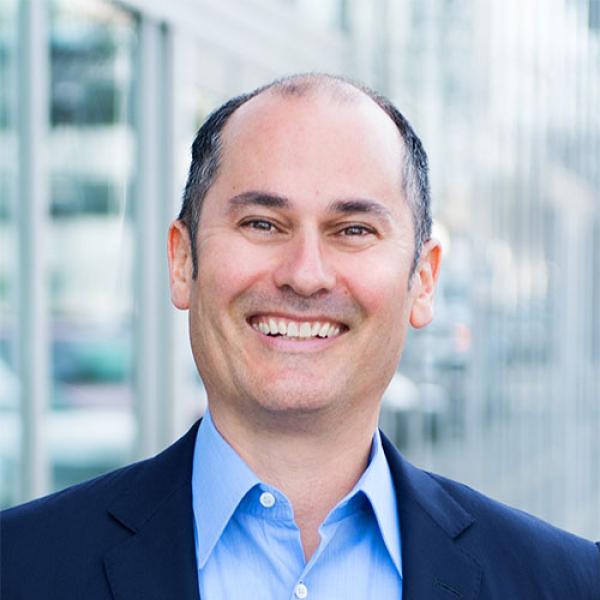
by Dr. Dan Kalish
Longevity is not built on a single biomarker, supplement, or trend. It is built cell by cell. Long-term health depends on whether cells can efficiently produce energy, synthesize and repair proteins, maintain membrane integrity, and adapt metabolically over time. When these foundational processes are compromised, even the most advanced longevity interventions have limited impact.
At the Kalish Institute, our systems-based, lab-guided approach to longevity starts at the cellular level rather than just with symptoms or diagnoses. Cellular capacity for energy production, protein synthesis and repair, and cellular membrane integrity ultimately determines how you feel day to day as well as your long-term health and longevity.
Why Cardiometabolic Health and Mitochondrial Function Matter
Cardiometabolic health reflects how well the body produces, stores, and utilizes energy. Early dysfunction in glucose regulation, lipid metabolism, and mitochondrial function accelerates biological aging long before disease is diagnosed.
Mitochondria sit at the center of this process. Beyond ATP production, they impact inflammation (and inflammation impacts them), metabolic signaling, and cellular repair. Declining mitochondrial function contributes to fatigue, insulin resistance, oxidative stress, and reduced resilience—making mitochondrial health a cornerstone of longevity.
Healthy Cells Create Healthy People: Core Requirements for Longevity
Longevity strategies often emphasize autophagy, fasting, or mitochondrial stimulation, yet overlook a critical prerequisite: cells must have the raw materials required to rebuild what they break down.
Protein Synthesis, Amino Acids, and Autophagy
Proteins form the structural and functional foundation of the body—enzymes, hormones, transporters, immune mediators, and connective tissue all depend on adequate amino acid availability.
Autophagy is essential for longevity, allowing cells to remove damaged proteins. However, without sufficient amino acids, this breakdown cannot translate into effective repair. Functional, lab-guided amino acid testing allows practitioners to identify deficiencies that limit protein synthesis and tissue renewal, ensuring that cellular repair mechanisms can function as intended. If you are missing one of the key 20 amino acids required for protein synthesis, this is a big problem, all the autophagy in the world will have limited benefit if you can’t properly build proteins in the first place. This makes amino acid testing a centerpiece in any longevity program.
Fatty Acids and Cell Membrane Integrity
Cell membranes regulate nutrient transport, signaling, immune recognition, and mitochondrial communication. Their integrity depends on balanced fatty acids, including omega-3s, and omega-6s.
Fatty acid imbalances impair membrane fluidity and receptor signaling, undermining metabolic and mitochondrial efficiency. Lab-based fatty acid testing makes it possible to identify and correct these structural vulnerabilities at the cellular level—an often-missed but essential component of longevity care. Once you test a large number of patients, you’ll see how common omega 3 deficiencies are. Of course omega 3’s are also important for brain health and for preventing inflammation.
Metabolic Flexibility, Cholesterol, and Oxidative Stress
Metabolic Flexibility and Weight Regulation
Healthy aging requires the ability to switch efficiently between glucose and fat metabolism. Impaired fat oxidation, insulin resistance, and chronic fat storage signal metabolic inflexibility that accelerates aging. Lab-guided assessment helps practitioners understand why the body is storing rather than burning fuel and how to restore metabolic adaptability. It’s common to see problems with fat metabolism on organic acids testing which points to an issue with metabolic flexibility, and can easily be resolved with carnitine and riboflavin supplementation.
Cholesterol as a Functional Marker
Cholesterol is more than a cardiovascular risk marker. It is required for cell membrane construction, hormone synthesis, vitamin D production, and mitochondrial integrity. A longevity-focused approach interprets cholesterol within the broader context of metabolic health, inflammation, and cellular repair. Driving cholesterol too low can trigger problems.
Oxidative Stress and Cellular Aging
Oxidative stress is a natural byproduct of metabolism, but when antioxidant defenses are overwhelmed, it damages lipids, proteins, and DNA. Targeted lab assessment allows practitioners to identify excessive oxidative burden and restore balance using antioxidant supplements dosed precisely to address lab values rather than guessing at what level of antioxidants one individual may require. And, yes, you can have “not enough” oxidative stress, in other words driving oxidative stress too low causes a host of issues, so it’s not a lower the better situation when it comes to treating oxidative stress lab markers.
Mitochondrial Health and Energy Production
Mitochondrial efficiency influences energy output, metabolic signaling, immune activation, and stress adaptation. Declines in mitochondrial function are strongly associated with biological aging.
Testing with organic acids, fatty acids and oxidative stress markers allows you to evaluate mitochondrial function at the level of the cell, then using this information practitioners can design interventions that restore mitochondrial efficiency.
A Lab-Guided, Systems-Based Framework
An effective longevity strategy addresses root cause cellular limitations rather than isolated symptoms. A systems-based, lab-guided approach integrates:
- Amino acid profiling to support protein synthesis and cellular repair
- Fatty acid testing to optimize membrane integrity and signaling
- Assessment of oxidative stress and antioxidant capacity
- Evaluation of metabolic flexibility and lipid function
- Mitochondrial support to enhance energy production and resilience
Correcting these foundational imbalances supports healthspan, metabolic resilience, and long-term vitality.
Take the Next Step
For practitioners who want to apply this systems-based, lab-guided approach to longevity in clinical practice, the Kalish Longevity Certification offers advanced training grounded in functional medicine and clinical application.
The certification provides structured education in cellular assessment, amino acid and fatty acid testing, metabolic and mitochondrial evaluation, and evidence-informed intervention design—equipping practitioners to translate these principles into effective, real-world longevity care.
Why Choose the Kalish Longevity Certification
- Practical, Lab-Based Strategies: Learn to interpret amino acid, fatty acid, oxidative stress, and mitochondrial labs for actionable insights.
- Case-Based Learning: Apply real-world examples to translate complex data into targeted interventions.
- Systems-Based Functional Medicine Framework: Integrate cellular repair, metabolic optimization, and mitochondrial support into practice.
- Evidence-Driven Protocols: Move beyond generic longevity recommendations to precise, patient-specific strategies.
Learn more about the Kalish Longevity Certification, a program designed to give practitioners the lab-based strategies and communication tools to build personalized longevity protocols for their patients.
Join us in redefining what it means to age well—both for your patients and your practice. Enroll today!